Types of Water Leaks in Your Home (And How to Find Them)

A water leak can be a dripping faucet or a pipe quietly failing inside a wall, and the second kind does the most damage. For homeowners across Central New Jersey, where much of the housing stock dates back decades and many Shore properties sit empty part of the year, hidden leaks are easy to miss and expensive to ignore. Here is what the leak detection team at Guaranteed Service wants you to know about the most common types of water leaks, and how to find them before they become a much bigger problem.

Key Takeaways

  • Most leaks fall into three groups: visible (faucets, toilets, supply lines), hidden (inside walls, under floors or slabs) and appliance or water heater leaks.
  • According to the EPA, about 10% of homes have leaks that waste 90 or more gallons per day.
  • A two-hour water meter test with all water off can reveal a pressurized supply line leak, though it will not catch drain or sewer leaks.
  • Stains, musty smells, running-water sounds, low water pressure or a spike in your bill can all point to a hidden leak.
  • If you find a leak, shut off the main water valve if it is safe to do so, then call a licensed plumber.


Types of Water Leaks at a Glance: Visible, Hidden and Appliance


Before diving into each type, it helps to know how they are grouped. Visible leaks are ones you can generally see or hear: a dripping faucet, a running toilet, a wet spot under the sink. Hidden leaks occur inside walls, under floors or beneath a concrete slab, and they can go undetected for weeks or months. Appliance and water heater leaks fall somewhere in between: often slow and easy to miss until water has already done real damage to the surrounding area.

Visible Leaks: Faucets, Toilets, Fixtures and Supply Lines

Visible leaks are the most common and often the most straightforward to address. That said, “easy to see” does not mean harmless. A faucet dripping once per second can waste more than 3,000 gallons over the course of a year.

Here is where to look:

  • Faucets and fixtures: Worn washers and O-rings are the typical culprits. If tightening the handle does not stop a drip, the internal cartridge or valve seat may need to be replaced.
  • Toilets: A failing flapper valve is one of the most common household leaks. Water runs continuously from the tank into the bowl, even when the toilet has not been flushed, and it is often completely silent.
  • Supply lines: The braided or plastic lines connecting fixtures to shutoff valves can loosen or corrode at the connectors over time. Check under sinks and behind toilets when you get the chance.
  • Tub and shower seals: Grout and caulk wear down around tubs, shower bases and tile surrounds. When the seal breaks, water works its way behind tile and into the subfloor before you notice it.

Many faucet and toilet fixes are DIY-friendly. Supply line failures and anything involving the wall or subfloor generally call for a licensed plumber.

Hidden Water Leaks: Behind Walls, Under Floors and Slabs

Hidden leaks keep plumbers busy. They develop slowly inside walls, under flooring or beneath a concrete slab, and by the time a homeowner notices something is off, water damage may already be well underway.

Common causes include pinhole leaks and small cracks in copper, PVC or galvanized pipe, along with joints that have shifted or loosened over time. In older homes, particularly those built before 1970, galvanized supply piping can corrode from the inside and develop leaks that are difficult to pinpoint without professional detection equipment.

Signs of a hidden water leak:

  • Water stains or discoloration on ceilings or walls
  • Bubbling or peeling paint or wallpaper
  • Warped or buckling flooring
  • The sound of running water when nothing is in use
  • A noticeable drop in water pressure
  • A water bill that is higher than expected without explanation
  • Musty smells in areas that should be dry
  • Moisture or pooling near the foundation

If you are noticing any of these, do not wait. Hidden leaks worsen over time and can lead to structural damage and mold growth the longer they go unaddressed.


Is It a Plumbing Leak or Flood Water?

This question comes up often in Shore communities. After heavy rain or coastal storms, especially in low-lying areas near the Manasquan River, the Glimmer Glass and the Atlantic, water in a basement or utility space does not always point to a pipe failure. The water meter test outlined below can help you tell the difference. A pressurized supply leak will cause the meter to move even when all water in the home is off. Groundwater intrusion from flooding will not. If the issue is groundwater, a sump pump may be what you need rather than a plumbing repair.

Water Heater and Appliance Leaks

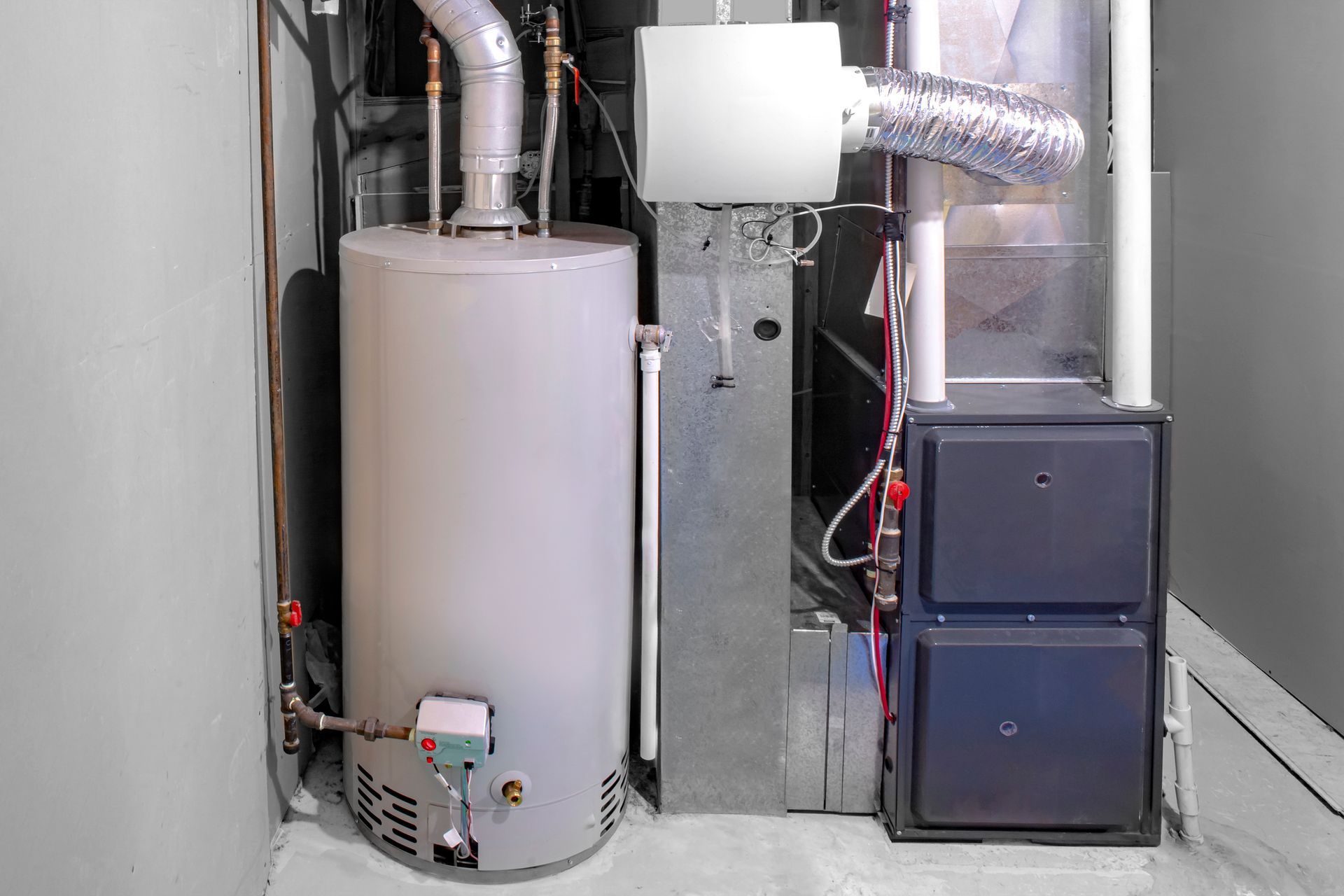
Water pooling at the base of a tank water heater is one of the clearest indicators that the unit may be nearing the end of its useful life. Once corrosion works its way through the tank wall, replacement is typically the right move. If you notice water around your heater, our water heater repair and installation page is a good starting point, or you can read more about how long water heaters typically last to help frame the decision.

Washing machine and dishwasher hoses are another frequent source of household water leaks. These hoses age, crack and can fail, sometimes quickly and without much warning. Check them periodically for bulging, cracking or moisture at the connectors.


Why Central NJ Homes Are More Prone to Hidden Leaks

About 64% of homes in communities like Manasquan, Belmar, Spring Lake and surrounding Monmouth County towns were built before 1970. That era of construction often included galvanized supply lines that have long since exceeded their useful life. Joints loosen. Pipe walls thin. Small leaks develop in spots no one is looking.

Seasonal housing adds another layer of risk across the Shore region. Many properties sit unoccupied for weeks or months at a time, and a slow leak in an empty home can run for a long time before anyone notices. If you are leaving a property for an extended stretch, shutting off the main water valve before you go is a simple step that can prevent significant damage.

Central NJ’s coastal flood history is also worth keeping in mind. Superstorm Sandy flooded roughly 1,400 homes in Manasquan alone in 2012, and low-lying communities throughout Monmouth County felt the impact. Knowing whether water in your basement came from a supply line or from outside is an important first question, and the meter test below helps answer it.

How to Find a Water Leak in Your Home: A 5-Step Check


According to the EPA’s WaterSense program, the average home loses about 10,000 gallons to leaks each year and roughly 10% of homes are losing 90 or more gallons per day. Many of those leaks are findable without professional equipment if you know where to look.

Here is a practical five-step check:

  • Run the water meter test: Make sure no water is running anywhere in the home: no appliances running, no toilets flushed recently. Locate your water meter and record the reading. Wait two hours without using any water, then check again. If the meter has moved, a pressurized supply line is leaking somewhere in the home. This test will not detect drain or sewer leaks. Those require a licensed plumber and a drain and sewer evaluation.
  • Run the toilet dye test: Add a small amount of food coloring to the toilet tank, not the bowl, and wait 10 minutes without flushing. If color appears in the bowl, the flapper is leaking. Flush promptly after to avoid staining.
  • Check under sinks, around fixtures and along supply lines: Look for moisture, mineral deposits or discoloration at connections and joints throughout the home.
  • Look and listen: Walk through the home checking for stains, musty odors, warped flooring and the sound of running water in walls or ceilings. Include the water heater and any appliance hoses.
  • Review your water bill: The EPA flags winter use above 12,000 gallons per month for a family of four as a likely sign of a leak. If your usage has jumped without a clear explanation, follow up.


Found a Leak? Here’s What to Do Right Now


  • Shut off the main water valve if it is safe to reach and the leak appears significant. Stopping the flow limits damage while you get help.
  • Keep water away from electrical sources. If water is near outlets, panels or fixtures, clear the area and do not touch them.
  • Do not wait. Water damage compounds quickly. A small leak can become warped framing or mold growth within days.
  • Call a licensed plumber. If you cannot locate the source, or the leak is behind a wall, under a floor or at a slab, a licensed plumber is the right call.


When to Call a Professional Plumber

Some leaks are DIY territory. Many are not. If the leak is hidden, recurring or moving faster than you can manage, a pro is the right call.


Guaranteed Service provides leak detection and emergency plumbing for homeowners throughout Central NJ, from Somerset County down through Monmouth and Ocean Counties, with phones answered 24/7. Whether it is a slow drip behind drywall or water you simply cannot explain, our licensed technicians can locate the source and walk you through your options.


Contact Guaranteed Service to schedule leak detection today.


Water Leak Types FAQs

  • What are the most common types of water leaks in a home?

    Dripping faucets, worn toilet flappers, leaking supply lines and hidden pipe failures are among the most frequent. According to the EPA, they add up to roughly 10,000 gallons of wasted water per home each year.

  • How do I know if I have a hidden water leak?

    Look for unexplained increases in your water bill, drops in pressure, water stains, musty odors or the sound of running water when nothing is turned on. The two-hour meter test is a good first step.

  • What should I do first if I find a water leak?

    Shut off the main water valve if it is safe to access, keep water away from any electrical sources and call a licensed plumber without delay. The longer a leak runs, the more damage it does.

  • Does Guaranteed Service offer emergency leak repair?

    Yes, Guaranteed Service offers leak detection and emergency plumbing throughout Central NJ with phones answered 24/7 to get you booked for the soonest available appointment.

  • What is the water meter leak test?

    Turn off all water in the home, note your meter reading, wait two hours without using any water and check the meter again. If the reading has changed, a pressurized supply line is leaking somewhere. This test will not identify drain or sewer leaks.

  • Can a water leak cause mold?

    Yes, unaddressed leaks create the damp conditions mold needs to grow, especially behind walls and under flooring where there is limited ventilation and the moisture goes unnoticed.

  • How much water can a household leak waste?

    The EPA estimates the average home loses about 10,000 gallons per year to leaks, and about 10% of homes are losing 90 or more gallons every single day. That adds up fast on a water bill.

  • What is the food coloring toilet test?

    Drop food coloring into the toilet tank, not the bowl, and wait 10 minutes without flushing. If color appears in the bowl, the flapper is leaking and allowing water to pass from the tank continuously.

  • Are water leaks covered by homeowners insurance?

    Coverage depends on your policy and the cause of the leak: sudden failures are often covered while slow leaks that result from deferred maintenance typically are not. Review your policy or contact your insurer directly for details.

  • How can I prevent leaks in an older Central NJ home?

    Annual plumbing check-ups, monitoring your water bill for unexplained changes and checking supply line connections under sinks and behind appliances regularly are all practical habits. Homes built before 1970 with original supply piping are worth having inspected by a licensed plumber.

November 25, 2026
Guaranteed Service explains how long tank and tankless water heaters last in Central NJ, plus the warning signs to watch for and when to repair or replace.
By Guaranteed Service • November 2, 2026
Find out when an electrical panel upgrade makes sense for your Middlesex County, NJ home and what warning signs mean your current panel may be falling short.
A heating system in central NJ cleaned and tuned-up by Guaranteed Service.
By Bill Campbell • October 14, 2026
What does furnace cleaning actually cover and how often do you need it? Guaranteed Service clearly breaks it down for Manasquan and Central NJ homeowners.
Central NJ residential furnace being worked on by a furnace repair expert from Guaranteed Service.
By Bill Campbell • October 14, 2026
Pilot light out on your furnace? Guaranteed Service walks you through how to safely relight & when you should call a Manasquan heating technician instead.
Guaranteed Service technician replacing a furnace in a Central NJ home.
By Bill Campbell • October 14, 2026
Gas furnaces last 15–20 years, but Manasquan shore homes are often well older. Guaranteed Service helps you know when it's time to replace your system.
By Guaranteed Service • October 3, 2026
Understand your water heater repair and replacement options in Ocean County, NJ so you can make a confident decision for your household comfort and budget.
A man in a blue shirt is working on an air conditioner.
July 23, 2025
Dehumidifiers vs. Humidifiers guide. Guaranteed Service explains key differences, benefits, and best uses for your home comfort needs. Call today.
A man and two women are sitting at a table looking at a book.
July 23, 2025
Home repair financing solutions. Guaranteed Service offers flexible plans to cover heating, cooling, and plumbing needs affordably. Call now.
A man is working on an air conditioner in a room.
July 23, 2025
Who to call for boiler repairs in New Jersey. Trusted experts providing fast reliable heating system repairs and professional service for your home
A man in a blue shirt is adjusting a thermostat on a wall.
By Akhil Talla • July 23, 2025
Lower your heating costs this winter. Guaranteed Service shares 7 proven ways to improve efficiency, save energy, and reduce bills. Call today.
Show More