How Long Do Water Heaters Last? (And When to Replace Yours)
The short answer: a tank water heater typically lasts 8 to 12 years, and a tankless unit 15 to 20. For homeowners across Central NJ, from the Jersey Shore up to Somerset County, the more useful question is whether you actually know how old yours is. Salt air, aging housing stock and the occasional flood event all play a role in how long a water heater holds up here. Here is what shortens a water heater’s life, the warning signs to watch for, and how to decide between repair and replacement from the water heater repair and installation team at Guaranteed Service.
Key Takeaways
- Tank water heaters typically last 8–12 years; tankless units can reach 15–20 years with regular maintenance.
- Much of Central NJ’s housing stock predates 1970 and many homeowners do not know their heater’s age. The serial number label on the tank is where to start.
- Any tank heater installed during post-Sandy rebuilding in 2012–2014 is now about 12–14 years old, at or past the typical lifespan.
- Sediment buildup, corrosion and high water pressure are the main life-shorteners; an annual flush is one of the most effective habits you can build.
- If a repair costs more than about half the price of a new unit, or your heater is over 10 years old and showing problems, it is time to plan a replacement.
Average Water Heater Lifespan: Tank vs. Tankless
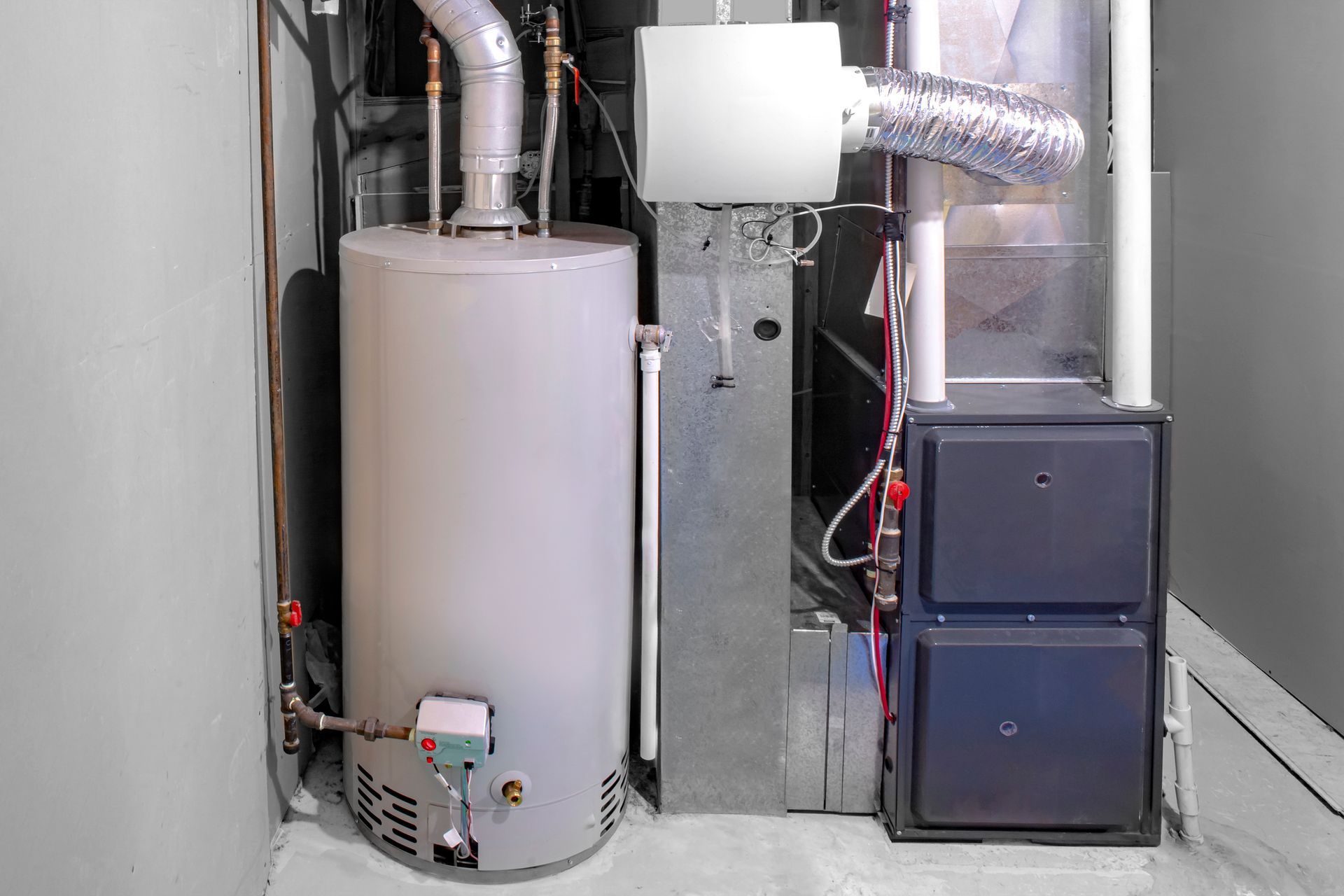
A traditional tank water heater typically lasts
8 to 12 years. Tankless models, when properly maintained, can stretch to
15 to 20 years. The difference comes down to how each system works. A tank unit stores and continuously reheats water, putting steady wear on the tank, anode rod and heating elements over time. A tankless unit heats water on demand, which means less constant stress, although it still needs annual servicing to hold up over the long run.
Both gas and electric versions follow similar timelines. What varies most is what ages them fastest and in Central NJ, local conditions add a few factors worth knowing about.
What Shortens a Water Heater’s Life?
Even a quality unit can give out early when the right conditions work against it. These are the most common culprits:
- Sediment buildup: Minerals in your water settle to the bottom of the tank over time. The accumulation forces the heating element to work harder, speeds up wear and can eventually crack the tank lining. An annual flush is the single most effective habit to fight this.
- Corrosion and a worn anode rod: The anode rod inside your tank is designed to corrode in place of the tank itself. Once it breaks down completely, the tank begins to rust from the inside out.
- High water pressure: Household water pressure should stay between 40 and 60 psi. Anything above that puts excess strain on the tank, valves and connections.
- Temperature set too high: A thermostat above 140°F speeds up internal wear and raises the risk of scalding. The recommended range is 120 to 125°F.
- Skipped maintenance: Going years without a professional inspection lets small problems compound into expensive ones.
- An undersized or poorly installed unit: A heater that is running harder than it should to keep up with household demand will wear out sooner than expected.
What Central NJ’s Housing, Salt Air and Flood History Mean for Your Water Heater
If you live along the Jersey Shore or anywhere in Monmouth County, your water heater may be dealing with conditions that most national guides never address.
A significant portion of the housing stock in towns like Manasquan, Spring Lake, Belmar and surrounding communities dates back to before 1970. Many homeowners across Central NJ inherited a water heater when they bought their home and have no reliable way of knowing how old it actually is. If you are not sure, start with the manufacturer label and serial number on the side of the tank. The manufacture date is usually encoded in that number. A licensed plumber can help you decode it if the format is not immediately clear.
Here is another timeline worth noting: In 2012, Superstorm Sandy flooded around 1,400 homes. Communities in New Jersey are still being affected, especially up and down the Shore. Any tank water heater installed during the rebuilding period between 2012 and 2014 is now about 12 to 14 years old, and at or past the typical 8–12 year lifespan. If your unit falls in that window and has not been recently serviced, it is worth a closer look before it fails without warning.
For homes near the coast, salt air from the Atlantic and coastal waterways can affect the exterior jacket and venting components of gas water heaters. It is something our technicians keep an eye on during service visits across Monmouth County, and it is worth asking about if your home sits close to the water.
One more thing specific to New Jersey: state building codes require a bonding wire connecting the hot and cold water pipes to the gas line at the water heater. This requirement may also help extend the life of the unit. If you are not sure whether yours has it, we can verify during any service visit.
Storm-Flooded Water Heater? Don’t Relight It Yet
Coastal flooding is a real risk in low-lying communities along the Shore and along inland waterways throughout Monmouth County. If your water heater has been submerged, do not relight or power it back on before a licensed professional evaluates it. Reach out to our emergency plumbing team to get it assessed safely before anything is turned back on.
Signs Your Water Heater Is Nearing the End of Its Life
These signals often appear before a full breakdown happens. If you are noticing any of the following, it is time to have your unit looked at:
- Rusty or discolored water at the hot tap
- Rumbling, popping or banging sounds from the tank
- Visible leaks or moisture pooling around the base of the unit
- Water that is not getting hot enough
- Slow recovery time – long waits for hot water to return between uses
- Sediment grit coming through faucets or aerators
The older the unit, the more seriously any one of these signs should be taken.
How to Check Your Water Heater’s Age
Find the manufacturer label on the side of the tank. The serial number usually contains the manufacture date, though the format varies by brand. If you cannot decode it on your own, a quick call to our team or a scheduled visit can give you a clear answer without the guesswork. Our technicians service homeowners throughout Central NJ, from Somerset County down through Monmouth and Ocean Counties and can identify the age and condition of your unit during any visit.
Repair or Replace? A Simple Rule of Thumb
Age and repair cost are the two factors that matter most when you are weighing your options.
If your water heater is over 10 years old and is leaking, rusting or has needed multiple repairs, replacement is usually the smarter move. Even a successful repair may not buy much more time on an aging unit that is already working against you.
A practical rule of thumb: if the repair cost is more than about 50% of the price of a new unit, replace it. Younger heaters facing a single-component failure, like a thermostat, heating element or pressure relief valve, are often worth repairing when the tank itself is still in good shape.
If you are still weighing tank versus tankless or gas versus electric, our guide to choosing the right water heater can walk you through the decision.
How to Make a Water Heater Last Longer
A few consistent habits go a long way toward protecting your investment:
- Flush the tank annually: Clearing out sediment before it builds up is one of the easiest ways to add years to your unit.
- Monitor water pressure: Keep it in the 40–60 psi range. If you are unsure where yours sits, we can check it during a visit.
- Set the temperature correctly: Staying at 120–125°F reduces wear without sacrificing comfort.
- Confirm the NJ bonding wire is in place: Your plumber should verify this is connected correctly, especially on older installations.
- Consider a whole-home water softener: If mineral buildup is a recurring issue, a whole-home water softener can slow sediment accumulation significantly and protect the plumbing around your heater as well.
- Schedule annual tankless maintenance: Low-maintenance does not mean no-maintenance. A yearly tune-up keeps efficiency and longevity on track.
- Join our Comfort Club Membership: It includes an annual water heater flush, a free water quality test and a plumbing health and safety check. See everything that is covered on our membership page.
Replace Before It Fails: Don’t Wait for a Cold Shower
A planned replacement is always easier than an emergency one. When a water heater fails without warning, it usually means cold showers, a potentially flooded utility room and a decision made under pressure with no time to think it through.
If your heater is approaching 10 years old, showing any of the warning signs above, or was installed during the post-Sandy rebuilding window, now is a good time to have it evaluated. Our team serves homeowners across Central NJ with upfront pricing, no surprise costs and phones answered 24/7.
Schedule your water heater service with Guaranteed Service today.
Water Heater Lifespan FAQs
How long does a water heater last on average?
Tank water heaters typically last 8–12 years, while tankless units can last 15–20 years with regular maintenance.
How can I tell how old my water heater is?
Check the manufacturer label and serial number on the side of the tank. The manufacture date is often encoded there, and a licensed plumber can help you read it if the format is not immediately clear.
Is it worth repairing a water heater that is over 10 years old?
Often not, but especially if the unit is leaking, rusting or has needed repeated repairs. If the repair cost exceeds about 50% of a new unit, replacement is typically the smarter investment.
Does hard water shorten a water heater’s life?
Yes, mineral deposits form sediment that reduces efficiency and wears down the tank and heating elements over time. Annual flushing helps slow the buildup, and a whole-home water softener can address the root cause.
What does a water heater maintenance visit include?
A technician will inspect the tank, flush out sediment, check valves and test the heating elements. Annual maintenance for tankless systems is also available.
How do I know if my water heater needs to be replaced or just repaired?
If the unit is under 10 years old and dealing with a single part failure, a repair usually makes sense. If it is leaking from the tank, rusting or has had multiple issues and is past the 10-year mark, replacement is the better call.
Can a water heater fail suddenly without warning?
It can, which is why catching the early signs matters. Discolored water, unusual sounds, slow recovery and visible corrosion are all signals worth acting on before a full breakdown occurs.
What temperature should my water heater be set to?
The recommended setting is between 120 and 125°F. Higher temperatures accelerate wear on the tank and increase the risk of scalding, while settings that are too low can create conditions for bacterial growth.
Does a tankless water heater last longer than a tank unit?
Generally yes: tankless units can last 15 to 20 years compared to 8 to 12 for a tank, but they still require annual maintenance to reach that range. Skipping service on a tankless unit can shorten its life significantly.
Does Guaranteed Service work on both tank and tankless water heaters?
Yes, Guaranteed Service repairs, installs and maintains both tank and tankless gas and electric water heaters throughout Central NJ and Monmouth County.