
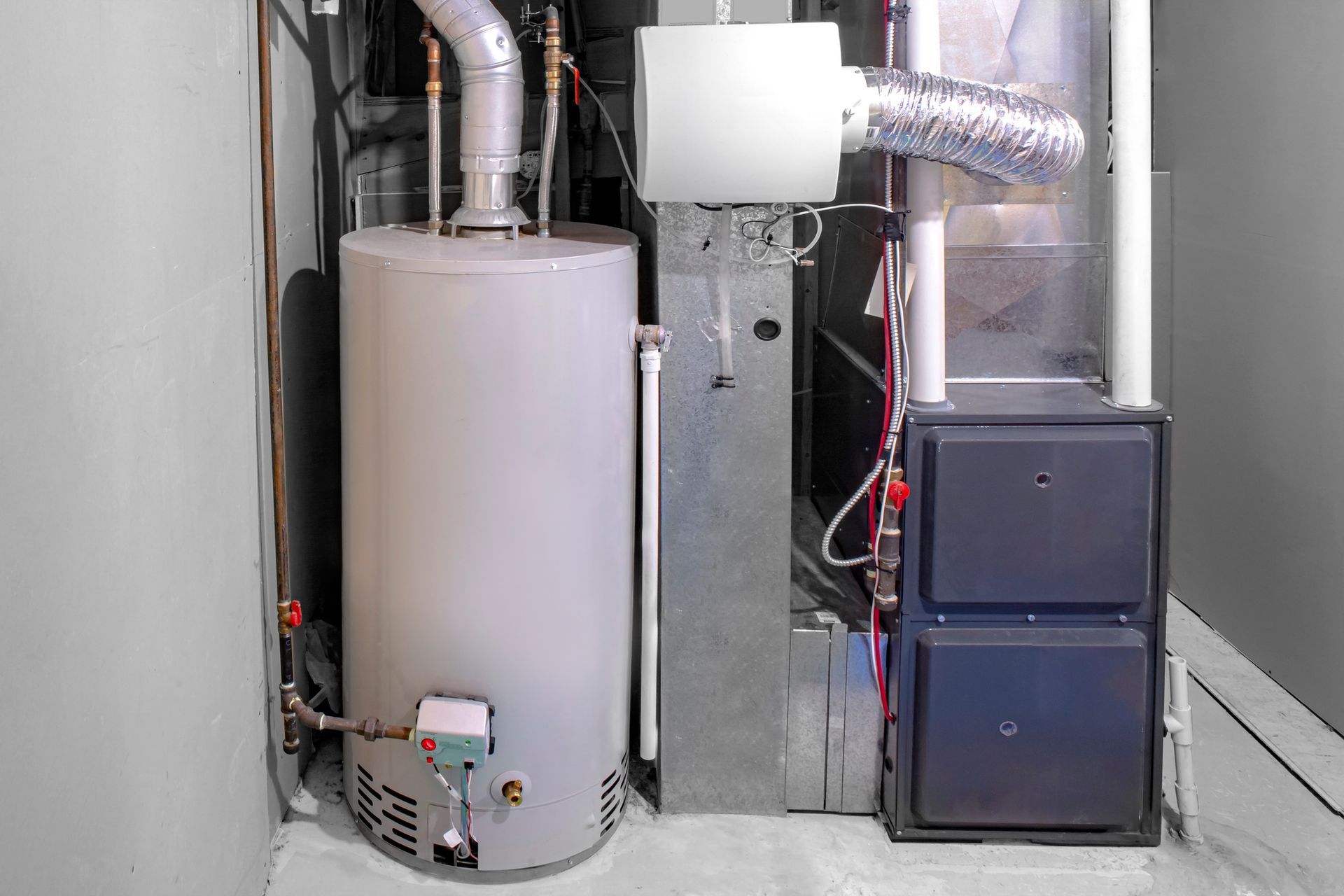
Furnace Pilot Light

Furnace Pilot Light Out? Here's How to Relight It (And When to Call a Pro)

It is October in Manasquan. You have just reopened your shore home after the summer, turned up the thermostat, and your furnace is not producing heat. Before you assume the worst, check the pilot light. In older gas furnaces, the kind common in Manasquan's pre-1990s shore cottages and bungalows, a pilot light that went out over the summer is one of the most frequent first-of-season problems we see. This post covers what a furnace pilot light is, why it goes out, how to safely relight it step by step, and the situations where you should stop and call a HVAC technician instead of doing it yourself.

Key Takeaways

  • Furnaces built before the early 1990s typically have a standing pilot light, newer systems use electronic ignition and cannot be relit manually
  • Always wait at least five minutes after turning the gas valve to "Off" before attempting to relight. Never skip this step
  • If you smell gas strongly at any point, leave the home immediately and call your gas company before doing anything else
  • A pilot that lights but will not stay lit usually means the thermocouple needs to be replaced, this is a technician job
  • Shore homes in Manasquan that sit vacant over summer frequently have pilot lights that go out undetected. A fall tune-up before the heating season catches this early

What Is a Furnace Pilot Light and Does Your Furnace Have One?

A furnace pilot light is a small, continuously burning flame inside your gas furnace that ignites the main burner when the thermostat calls for heat. Most gas furnaces built before the early 1990s use a standing pilot light. Furnaces built after that generally use electronic ignition instead – and if your furnace has electronic ignition, this post does not apply to your system. A furnace repair technician is the right call for electronic ignition issues.

Here is how to tell which type you have. Look for a small viewing window or access panel near the base of your furnace. If you can see a small flame inside, that is the pilot light. If you see nothing, either the pilot is out or your furnace uses electronic ignition. Check your furnace model or the label on the unit, it will typically indicate the ignition type.

If your furnace has a pilot light and it is out, keep reading.

Why Does a Furnace Pilot Light Go Out?

A few things cause a furnace pilot light to go out. Some are minor, some are worth a closer look.

Drafts or air currents. A strong draft moving through the furnace area can blow out a standing pilot. This is more common in older homes with gaps around furnace rooms or poorly sealed vents.

A brief gas supply interruption. Even a momentary disruption to the gas supply can extinguish the pilot. Once the supply is restored, the pilot needs to be relit manually.

A worn or dirty thermocouple. The thermocouple is a small safety device that senses the pilot flame and keeps the gas valve open while the flame is burning. When the thermocouple wears out or gets dirty, it signals the gas valve to close and the pilot goes out. This is the most common mechanical cause.

Extended dormancy. In Manasquan's older shore homes, furnaces often sit completely unlit from April through September. Over months of disuse, the thermocouple can weaken and the pilot can extinguish on its own. A pilot light that goes out over the summer and is not discovered until the first cold night of fall is something our technicians see regularly at the start of heating season.

How to Safely Relight Your Furnace Pilot Light – Step by Step

Read through all of these steps before you begin.

Step 1: Turn the thermostat off. Set it to its lowest setting or switch it to "off." You do not want the furnace trying to fire while you work.

Step 2: Locate the pilot light assembly. It is usually near the base of the furnace, behind an access panel. Look for a label on the furnace itself. Most manufacturers mark the pilot light location. Your owner's manual will also show you exactly where it is.

Step 3: Find the gas control valve. There is typically a knob with three positions: On, Off, and Pilot.

Step 4: Turn the knob to "Off" and wait at least five minutes. This allows any residual gas to fully dissipate before you introduce a flame. Do not skip this step. If you smell gas strongly at any point during or after this wait, do not attempt to relight. Leave the home immediately, call your gas company from outside, and then call us.

Step 5: Turn the knob to "Pilot."

Step 6: Hold the knob down and bring a long-reach lighter or long match to the pilot opening. Holding the knob down opens the gas supply to the pilot. Use a long lighter, not a short match, to keep your hand away from the flame.

Step 7: When the pilot ignites, keep holding the knob down for 20 to 30 seconds. This gives the thermocouple time to heat up and signal the gas valve to stay open.

Step 8: Release the knob slowly. If the flame stays lit, turn the knob to "On."

Step 9: Turn the thermostat back up. Listen for the main burner to ignite. If it does, you are good to go.

If the pilot does not light after two or three attempts, or if it lights but goes out when you release the knob, stop and call a professional.

Pilot Light Won't Stay Lit? Why It Keeps Going Out

If you followed the steps above and the pilot went out again shortly after, or if it will not stay lit when you release the knob, the problem is almost certainly mechanical.

Faulty thermocouple. This is the most likely culprit. If the pilot lights but goes out the moment you release the knob, the thermocouple is not generating enough signal to hold the gas valve open. It needs to be replaced by a technician.

Dirty thermocouple. Sometimes buildup on the thermocouple tip interferes with its ability to sense the flame. A technician can clean or replace it.

Draft or venting issue. If the pilot lights but goes out within a few minutes, a persistent air current may be extinguishing it. This requires a technician to assess the venting setup.

Gas pressure issue. Less common, but low gas pressure at the furnace can prevent a stable pilot flame. A technician should check this.

A pilot that will not stay lit is not something to keep forcing. If the thermocouple is failing in an older furnace, it can also be a sign the system is approaching the end of its service life. It is worth having a technician assess the overall condition of the unit while they are there.

Other Reasons Your Furnace Won't Turn On

If you checked the pilot light and it is lit, or if your furnace has electronic ignition, here are other things to look at before calling for service.

Thermostat settings. Confirm the thermostat is set to "heat," not "cool" or "fan only," and that the set temperature is above the current room temperature. Check the battery if it is battery-operated.

Tripped circuit breaker. Furnaces run on electricity even when they burn gas. Check your electrical panel for a tripped breaker and reset it if needed.

Clogged air filter. A severely restricted filter can trigger a safety shutoff. Pull the filter and replace it if it is visibly dirty. This is a quick check worth doing before anything else.

Gas supply. Confirm the gas valve at the furnace is open and that your gas service is active. If other gas appliances in the home are also not working, contact your gas company.

Electronic ignition failure. If your furnace was built after the early 1990s and does not have a standing pilot, a failed igniter or flame sensor is the likely cause. Guaranteed Service specializes in gas furnace repair. This is a technician job, not a DIY fix.

If you have worked through all of the above and your furnace still will not turn on, call us. Our phones are answered 24/7.

When to Stop and Call a Pro

There are situations where you should not attempt to relight the pilot yourself. Here is when to put down the lighter and call a technician.

You smell gas strongly. A faint gas odor when you first turn the knob to "Pilot" is normal. A strong or persistent gas smell is not. Leave the home, call your gas company from outside, and then contact us. Do not attempt to relight.

The pilot will not stay lit after two or three attempts. This is almost always a thermocouple or gas supply issue. Repeated attempts will not fix it.

You see rust, corrosion, or soot around the burner or flue. In older Manasquan shore homes near the beach, salt-air corrosion on furnace components is common and can indicate a more serious problem than a simple pilot outage. A technician should assess this before the system runs.

Your furnace is 15 years or older and has needed frequent relights. A pattern of pilot outages in an aging system is a sign the equipment is approaching end of life. At that point, a furnace replacement conversation may be more valuable than another repair.

You are not comfortable doing this yourself. That is a completely reasonable call. A technician visit is far less costly than a repair that goes wrong and there is no diagnostic charge for deciding not to proceed.

Guaranteed Service provides heating repair throughout Manasquan and Monmouth County, with phones answered 24/7. All costs are discussed upfront before any work begins.

Got the Pilot Lit? Or Still Need Help?

If you successfully relit the pilot, good work. Before you call it done, consider scheduling a fall furnace tune-up – especially if your system has been dormant since spring. A professional inspection will confirm the thermocouple is in good shape, check for any coastal corrosion on components, and make sure the system is running safely before the heating season. Guaranteed Service offers a flat-rate tune-up and our technicians know what to look for in older Manasquan shore homes specifically.

If you could not get the pilot lit, or you hit one of the "call a pro" situations above, Guaranteed Service is ready to help. We back every job with 4,500+ Google reviews at 4.8 stars, upfront pricing, and a straight assessment of what your system actually needs.

Furnace Pilot Light FAQs

  • What does a furnace pilot light do?

    It is a small, continuously burning flame that ignites the main gas burner when your thermostat calls for heat. If it goes out, the furnace cannot produce heat.

  • How do I know if my furnace has a pilot light?

    Look for a small viewing window near the base of the furnace. If you see a small flame, it has a standing pilot light. Furnaces built after the early 1990s typically use electronic ignition instead and do not have a pilot light to relight.

  • How long should I wait before relighting the pilot?

    At least five minutes after turning the gas valve to "Off." This gives residual gas time to fully dissipate before you introduce a flame.

  • What if I smell gas when trying to relight the pilot?

    A faint smell when you first open the gas valve to "Pilot" is normal. A strong or persistent gas smell is not normal, leave the home immediately, call your gas company from outside, and do not attempt to relight.

  • Why does my pilot light keep going out?

    The most common cause is a worn or dirty thermocouple, the safety device that holds the gas valve open when the pilot is burning. If the pilot lights but goes out when you release the knob, the thermocouple likely needs to be replaced by a technician.

  • Is a pilot light going out common in Manasquan shore homes?

    Yes, furnaces in shore homes that sit vacant from spring through September often have pilot lights that go out over the summer. It is one of the most common first-of-season calls we see in older Manasquan properties at the start of October.

  • When should I call a technician instead of relighting the pilot myself?

    If you smell gas strongly, if the pilot will not stay lit after two or three attempts, if you see corrosion or soot near the burner, or if you are simply not comfortable proceeding, call a professional.

  • Does a pilot light that keeps going out mean I need a new furnace?

    Not necessarily, it often just means the thermocouple needs replacement. But if your furnace is 15 years or older and has been requiring repeated relights, it is worth having a technician assess the overall condition of the system.

A heating system in central NJ cleaned and tuned-up by Guaranteed Service.
By Bill Campbell • October 14, 2026
What does furnace cleaning actually cover and how often do you need it? Guaranteed Service clearly breaks it down for Manasquan and Central NJ homeowners.
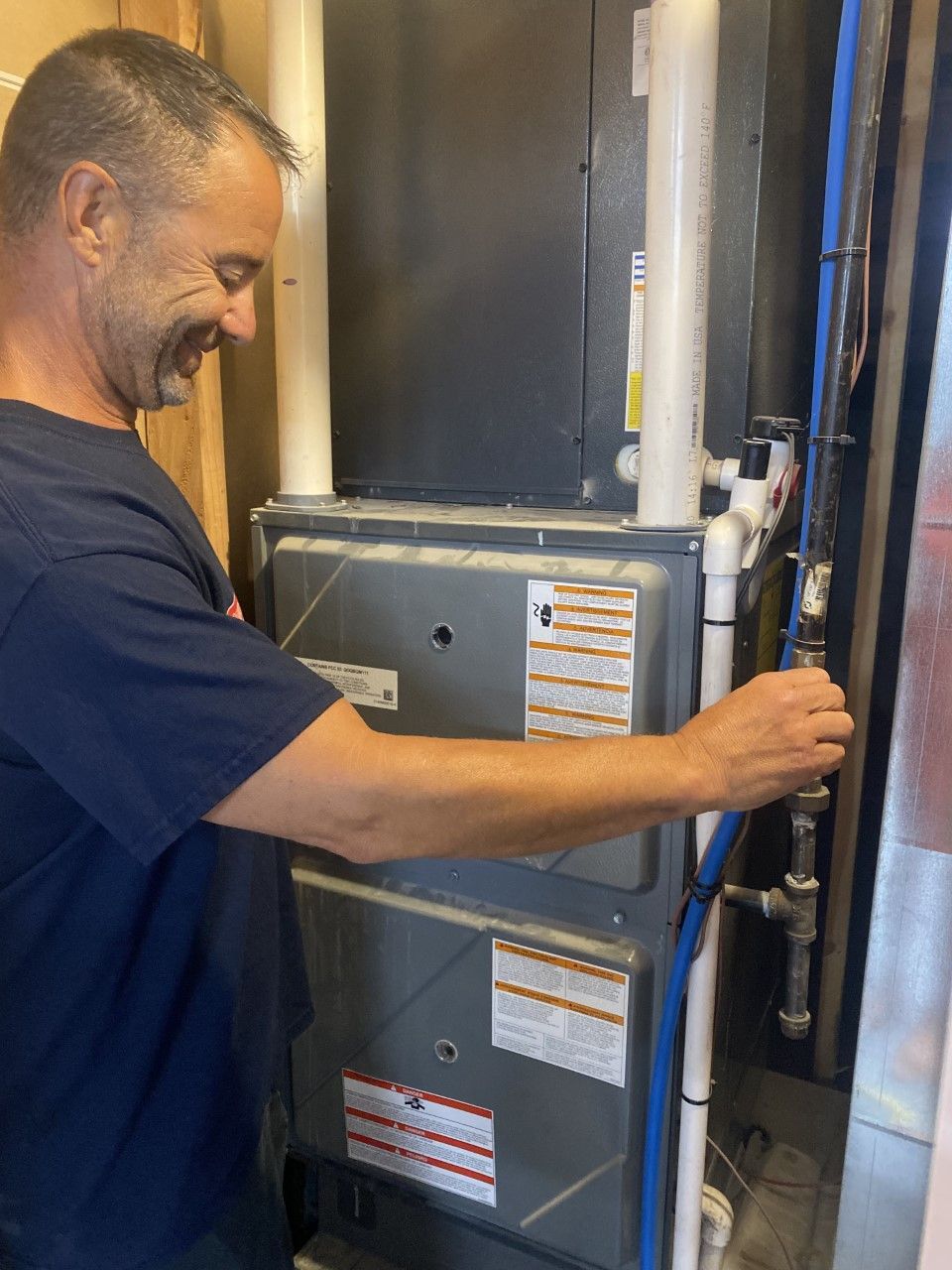
Guaranteed Service technician replacing a furnace in a Central NJ home.
By Bill Campbell • October 14, 2026
Gas furnaces last 15–20 years, but Manasquan shore homes are often well older. Guaranteed Service helps you know when it's time to replace your system.
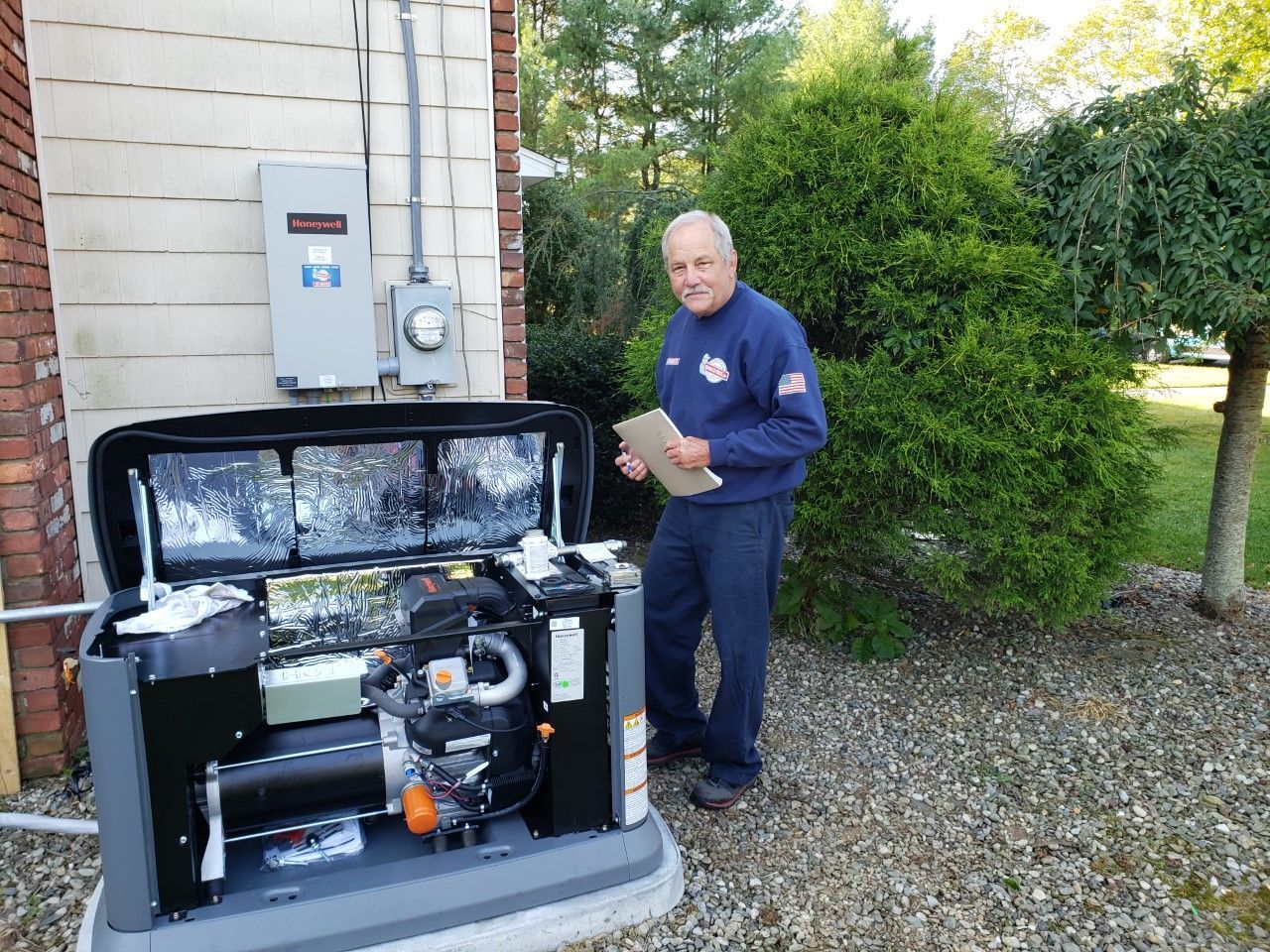
By Guaranteed Service • October 3, 2026
Understand your water heater repair and replacement options in Ocean County, NJ so you can make a confident decision for your household comfort and budget.
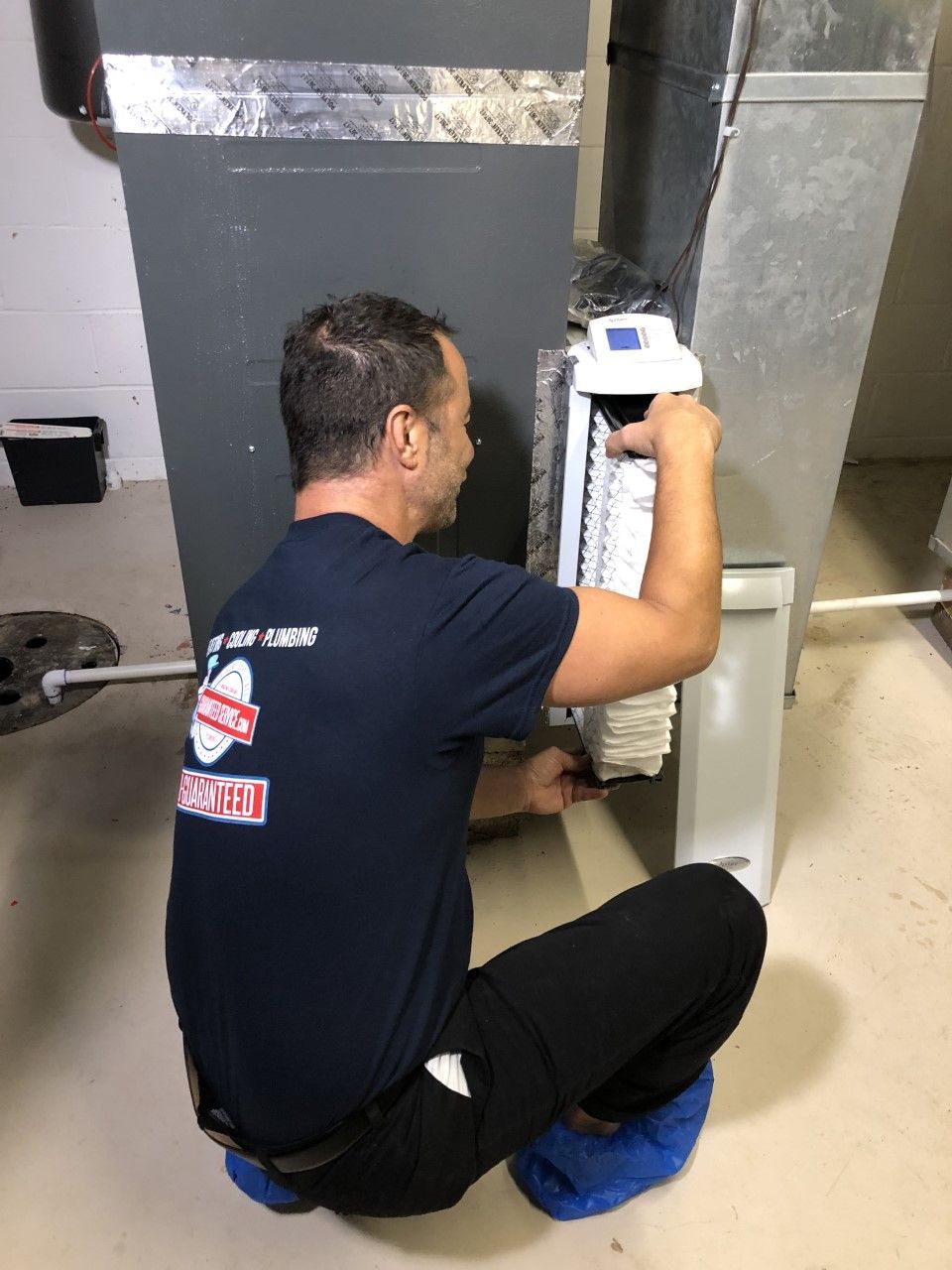
A man in a blue shirt is working on an air conditioner.
July 23, 2025
Dehumidifiers vs. Humidifiers guide. Guaranteed Service explains key differences, benefits, and best uses for your home comfort needs. Call today.
A man and two women are sitting at a table looking at a book.
July 23, 2025
Home repair financing solutions. Guaranteed Service offers flexible plans to cover heating, cooling, and plumbing needs affordably. Call now.
A man is working on an air conditioner in a room.
July 23, 2025
Who to call for boiler repairs in New Jersey. Trusted experts providing fast reliable heating system repairs and professional service for your home
A man in a blue shirt is adjusting a thermostat on a wall.
By Akhil Talla • July 23, 2025
Lower your heating costs this winter. Guaranteed Service shares 7 proven ways to improve efficiency, save energy, and reduce bills. Call today.
A man is standing in a kitchen looking at a hose.
July 23, 2025
Hydro jetting guide. Guaranteed Service explains everything about hydro jetting for effective drain cleaning and maintenance. Call today.
A man in a blue hoodie is working on an electrical panel.
July 23, 2025
Avoid costly electrical repairs. Guaranteed Service shares expert prevention tips, repair solutions, and maintenance support. Call today.
A blue van is parked in front of a house
July 23, 2025
What makes Guaranteed Service different. Discover our expert team fast reliable service and customer focused solutions trusted across New Jersey
Show More